What will you find here?
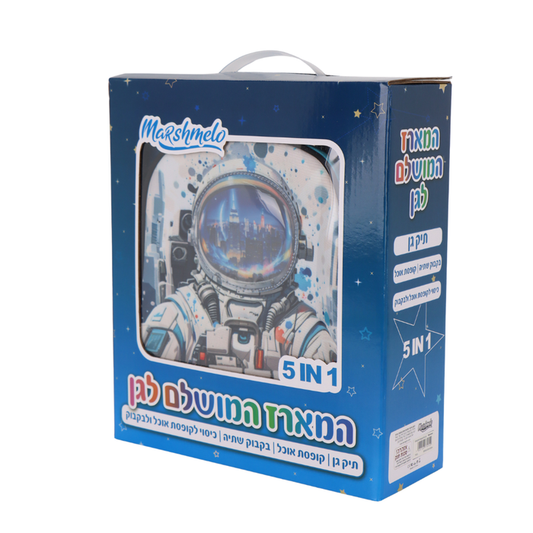
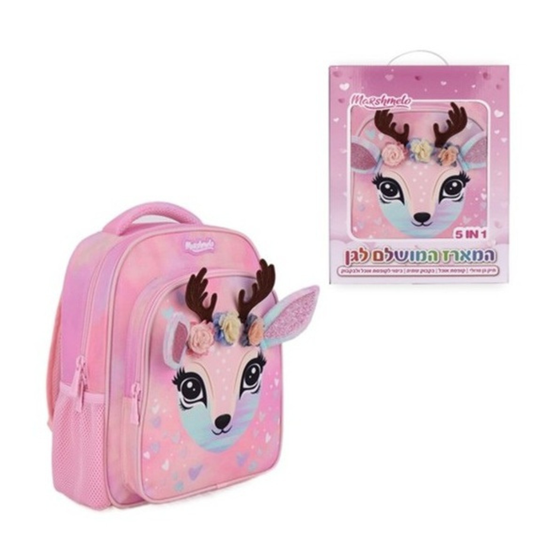
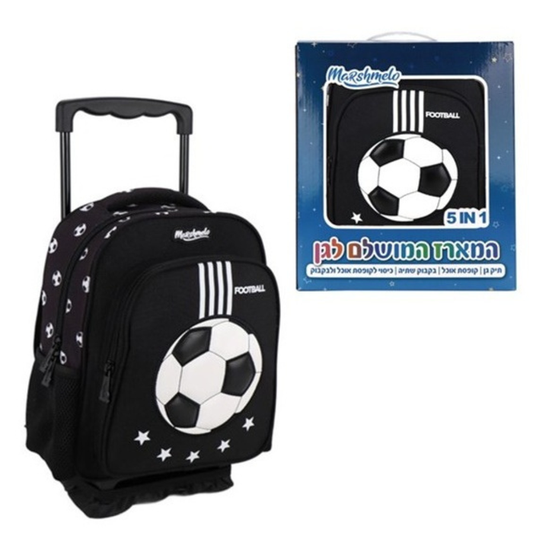
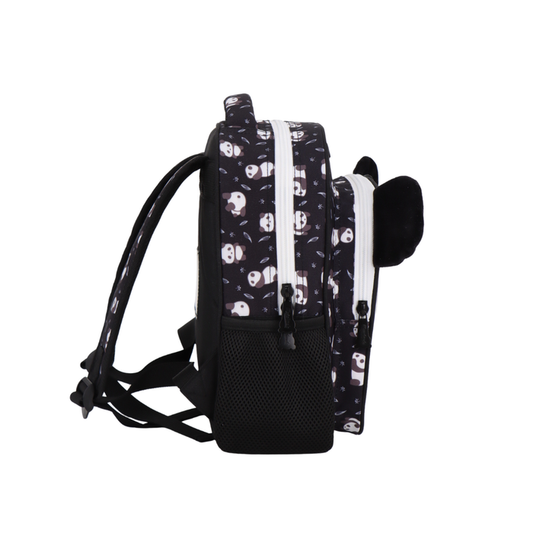
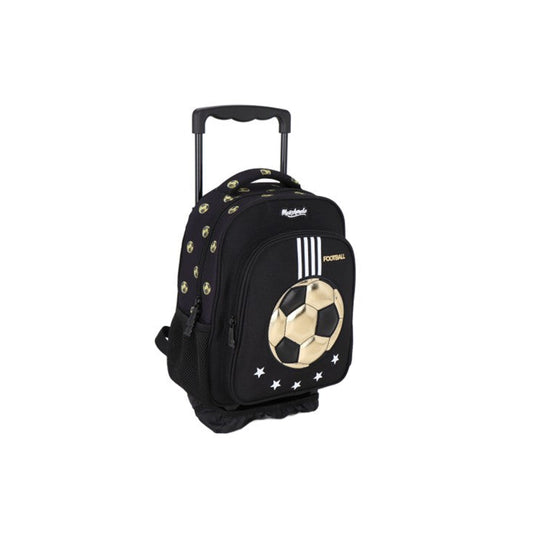
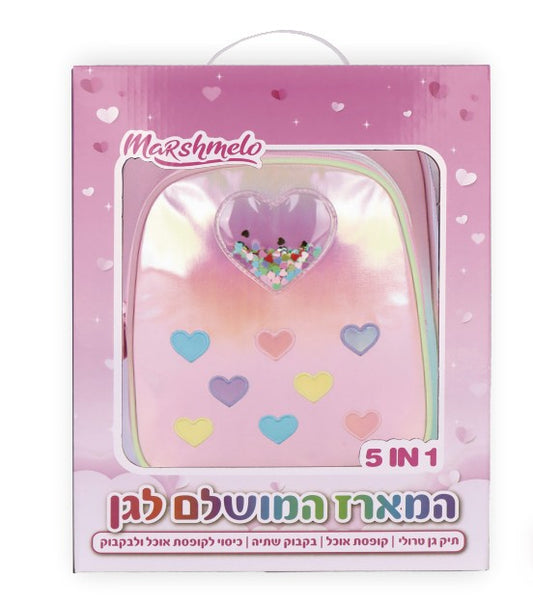
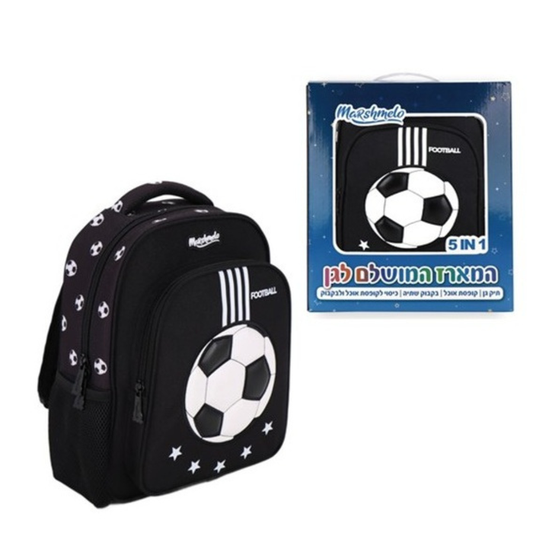
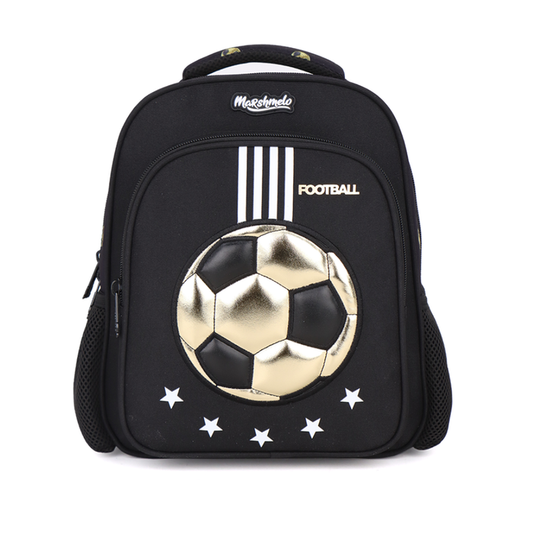
This category includes lightweight padded kindergarten bags for preschool and pre-k children, ergonomic school bags for first grade and up, backpacks with two or three compartments, and sets that include a school bag, a lunch bag and a pencil case in a matching design. Among the brands you will find Marshmallow, Kal Gav and Step by Step, alongside models branded with the characters children love: Spider-Man, Batman, Mickey and Minnie, Minions and Fireman Sam.
How do you choose the right one?
For kindergarten children, choose a lightweight bag that is no wider than the child's back, with padded straps and a closure the child can operate alone. For school children, who carry books and notebooks, the main consideration is weight distribution: an ergonomic school bag with a padded back panel, wide adjustable straps and a chest strap takes the load off the shoulders and neck. A trolley bag on wheels is an excellent solution for children who walk a long way to school or carry particularly heavy equipment.
A design children actually want
A bag the child loves is a bag the child will actually carry. So alongside the practical considerations, it is worth letting children take part in the choice, whether that means a favorite character, a bold color or a matching set that looks good on the back.
All the bags on the Toys R Us site come with home delivery or branch pickup, and you can filter by brand, age and stock availability to find exactly what you need before the school year starts.
The complete guide to choosing a kindergarten bag and a school backpack
The school bag is the most significant investment on the back-to-school supply list, and rightly so. While a notebook is replaced every couple of months and a pencil case passes from hand to hand, the backpack goes with the child every single day, on the way to kindergarten or school, on trips, to after-school activities and on fun days out. In this category we have gathered a wide selection of kindergarten bags, ergonomic school bags, trolley bags on wheels and complete sets, from leading brands such as Marshmallow, Kal Gav and Step by Step, alongside branded designs featuring Spider-Man, Batman, Mickey and Minnie, Minions and Fireman Sam.
A bag by age: what suits your child
Kindergarten and pre-k (ages 3 to 5)
At this age the bag carries very little: a change of clothes, a lunch box, a water bottle and sometimes a sweater. What matters is that the bag itself is light, small enough not to extend beyond the width of the child's back, and has a zipper or closure the child can manage alone. Independence is part of the point: a bag the child cannot open on their own becomes a daily frustration.
First to third grade
This is where the real transition happens. The child starts carrying textbooks, notebooks and a pencil case, and the weight rises significantly. This is the stage to move to an ergonomic school bag with a structured back panel, wide padded straps and a chest strap. Proper structure at this age prevents carrying habits that are hard to correct later.
Fourth grade and up
The children are older, the equipment is heavier, and design preferences change. At this stage many children prefer a more grown-up style of backpack, in clean colors and without characters. It is important that the bag remains adjustable and that the capacity matches the actual number of books, rather than buying an oversized bag "that will last a few years".
Backpack or trolley bag on wheels
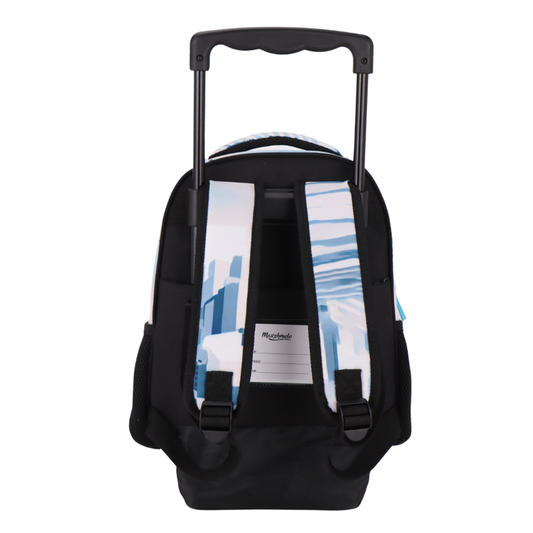
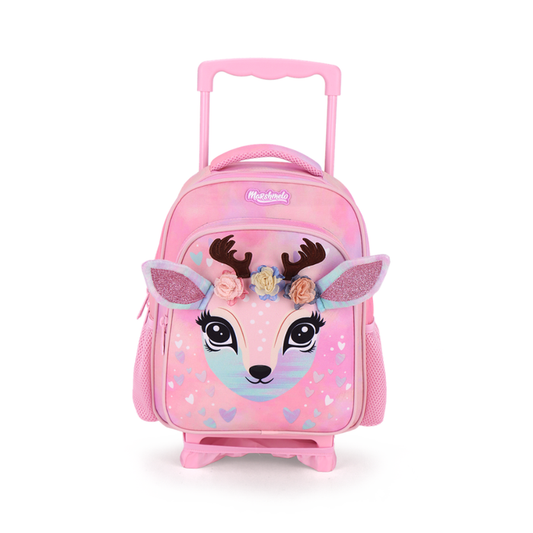
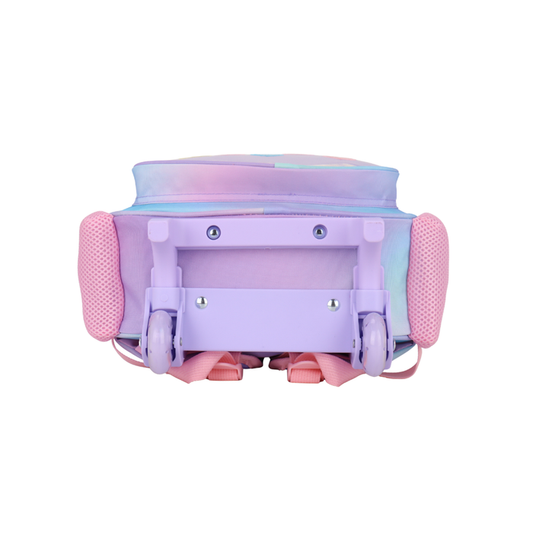
A classic backpack is the common solution, and it is easier to carry between classrooms and up stairs. A trolley bag, on the other hand, is an excellent answer for children who walk a long way to school or carry especially heavy equipment. Two things are worth weighing before deciding: whether the route to school is paved or full of stairs and uneven sidewalks, and whether the school offers convenient storage for a wheeled bag. On most models the wheel mechanism can be removed or folded away so the bag can be carried on the back when needed.
What to look at before you buy
The back panel. A padded, segmented back panel, preferably with a ventilated mesh, sits close to the child's back and prevents pressure points. This is the main difference between a regular bag and an ergonomic one.
The shoulder straps. Wide, padded and height adjustable. Thin straps cut into the shoulders once the bag fills up.
Chest and waist straps. These stabilize the bag and transfer part of the weight from the shoulders to the torso. A small item with a big effect on comfort.
Internal compartments. At least two compartments, so the heavy books sit close to the back and the light equipment sits in front. Side pockets for a water bottle prevent leaks inside the bag.
Materials and stitching. Water-resistant fabric, reinforced stitching at the stress points and a reinforced base. These are the details that determine whether the bag survives one year or three.
Reflectors. Reflective strips on the front and sides improve the child's visibility on the way to school in winter, when it is still dark in the morning.
How much should the bag weigh
The accepted recommendation is that a full bag should not exceed 10 to 15 percent of the child's body weight. A child weighing 25 kilograms should carry up to about three kilograms. To stay within that, pack the heavy books in the compartment closest to the back, clear out anything unnecessary at the end of each day, and tighten the straps so the bag sits close to the back and does not hang below the waistline.
Complete sets for the school year
Some of the models in this category come as a set that includes a school bag, a lunch bag and a pencil case in the same design. A set is a convenient solution for anyone who wants to close the supply list in one go, and it also saves hunting for matching items separately. The exact contents of each set appear on the individual product page.
How long should a bag last
A quality school bag accompanies a child for two to three years, depending on the load and how it is used. The signs that it is time to replace it are stitching coming apart around the straps, back padding that has flattened and lost its shape, a zipper that jams constantly, or a bag that has become small relative to the child's height. A bag that is still structurally sound but "too young" in design is usually a matter of preference rather than need.
Buying at Toys R Us
In this category you can filter by brand, equipment type and stock availability, making it easy to find the right bag before the school year opens. Orders arrive by home delivery, and branch pickup is also available. Every product page lists the dimensions, the materials and the contents of the set, along with reviews to help you decide.